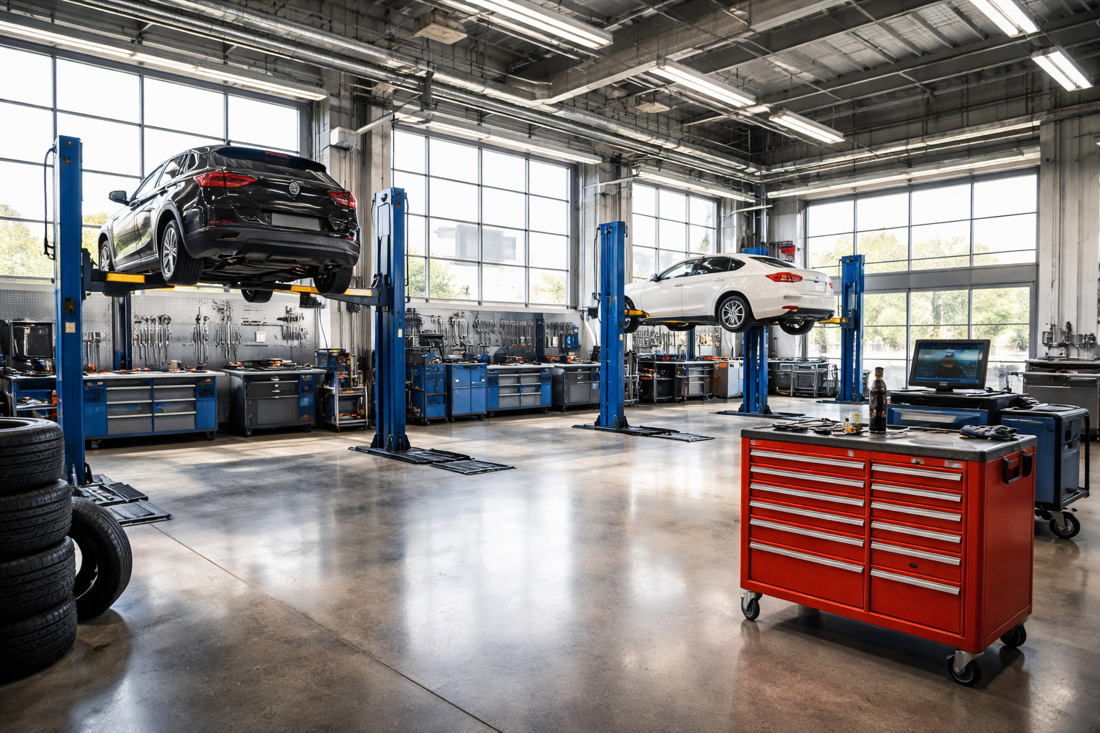
In a quality car repair shop, an fundamental service offered is the oil change, where technicians replace old oil with fresh, high-quality oil, ensuring optimal engine performance.
The process of an oil change typically begins with scheduling an appointment at your preferred car repair shop. Many repair facilities offer online booking systems that allow you to choose a convenient time for your visit. This is particularly useful for connoisseurs with busy schedules. When you arrive at the shop, a technician will greet you and may ask about your vehicle's performance and any specific concerns you have. This initial consultation ensures that the technician can provide the best possible service personalized to your vehicle's needs.
Once the service begins, the technician will lift your vehicle using a hydraulic lift to gain access to the undercarriage. Safety is of utmost importance in any car repair shop, and technicians follow strict protocols to make certain that they can work safely on your vehicle. The technician will then locate the oil drain plug and remove it, allowing the old oil to drain out completely. This step is crucial, as it removes any contaminated oil that may be present in your engine. Whereas the oil is draining, the technician may also take the time to inspect the oil filter, which plays a necessary role in maintaining clean oil circulation.
Brief information

After the old oil has fully drained, it's time for the technician to replace the oil filter. This task is crucial on account of a dirty oil filter can lead to poor engine performance and increased wear on engine components. The technician will apply a small amount of new oil to the rubber gasket of the new filter before installing it. This practice helps to create a better seal and ensures that the new filter operates effectively. Once the filter is replaced, the technician will proceed to add fresh oil into the engine. Choosing the right type of oil is a critical decision, and many car repair shops will recommend synthetic, conventional, or high-mileage oil based on your vehicle's specifications and age.
After filling the engine with new oil, the technician will start the engine and let it run for a few moments. This step allows the new oil to circulate throughout the engine and ensures that there are no leaks from the oil filter or drain plug. Checking for leaks is an important part of the oil change process, as it ensures that everything is sealed properly and functioning as expected. Once the technician confirms that there are no leaks, they will shut off the engine and finalize the service.
In addition to performing the oil change, many car repair shops take the opportunity to conduct a multi-point inspection during your visit. This inspection can include checking the condition of your tires, brakes, battery, and various fluid levels such as coolant, brake fluid, and windshield washer fluid. This proactive approach helps you stay informed about your vehicle's condition and can identify potential issues before they become significant problems. By addressing these concerns early, you can save yourself from costly repairs down the line and secure that your vehicle remains safe and reliable.
When selecting a mechanic for service, confirm they check the brakes thoroughly, inspecting pads, rotors, and fluid levels, as safety depends heavily on the braking system's condition.
First and foremost, it is necessary to reflect on the qualifications and experience of the mechanic. A skilled mechanic should possess the appropriate certifications and training, demonstrating their expertise in brake systems. Look for mechanics who have experience especially in brake repair and maintenance. A well-qualified mechanic will not only have the technical skills necessary to assess brake condition but will also stay updated with the latest advancements in automotive technology. This is critical since brake systems have evolved over time, and newer models may have features that older mechanics may not be familiar with. Therefore, checking for certifications like ASE (Automotive Service Excellence) can be a good indicator of a mechanic's qualifications.
Another important consideration is the reputation of the service shop. Online reviews and customer testimonials can provide valuable insight into the experiences of other drivers with the mechanic. Look for patterns in the feedback, particularly concerning brake services. A mechanic's ability to communicate effectively about brake issues and their resolution can also significantly influence customer satisfaction. Recommendations from friends or family can also be beneficial, as personal experiences provide more reliable information than anonymous online reviews. A good reputation often reflects reliability and quality service, which are essential when dealing with safety features like brakes.
Additionally, transparency in pricing is another aspect that should not be overlooked. Brake services can vary widely in cost, depending on the extent of the repairs needed. A reputable mechanic should provide a detailed estimate before commencing any work. This estimate should include labor costs, parts pricing, and any other fees that might arise during the service. Be wary of mechanics who offer vague estimates or who try to upsell unnecessary services when checking the brakes. Transparency promotes trust and helps you make informed decisions regarding your vehicle's maintenance.
It's also advisable to inquire about the types of parts that the mechanic uses when servicing brakes. Quality parts are indispensable for ensuring safety and performance. Some mechanics may use aftermarket parts that can be less expensive but may not meet the same standards as original equipment manufacturer (OEM) parts. Discussing the options with your mechanic can help you understand what is being used and why it is recommended. A knowledgeable mechanic should be able to explain the benefits and drawbacks of different parts and help you make an informed choice that aligns with your budget and safety needs.
Another significant factor to think about is the mechanic's diagnostic methods. Before servicing the brakes, a thorough inspection is necessary to determine the condition of all components involved, such as rotors, pads, lines, and fluid. A competent mechanic will use a systematic approach to diagnose potential issues. They should check for signs of wear, unusual noises, and brake fluid levels, among other factors. If a mechanic rushes through the diagnostic process or fails to conduct a all-encompassing check before suggesting repairs, it could be a red flag. Proper diagnostics guarantee that no underlying issues are overlooked, at the core improving the safety of your vehicle.
Furthermore, the level of customer service offered by the mechanic can greatly impact your overall experience. A mechanic should be willing to take the time to answer your questions and explain the services being performed on your brakes. Excellent communication is key to building trust and ensuring that you feel comfortable with the services being provided. If you feel rushed or dismissed during your interactions, it might be worth seeking out another mechanic who prioritizes customer relationships. A mechanic who values their customers will go above and beyond to assure that they leave satisfied and informed about their vehicle's condition.
An auto workshop's specialties include complete vehicle inspections, where experts assess multiple systems, ensuring your car meets safety standards and performs efficiently.
Routine inspections in an auto workshop often cover a multitude of components, including the engine, transmission, brakes, and electrical systems. During an inspection, trained technicians will check fluid levels, tire conditions, and the features of lights and signals. This thorough examination ensures that all systems are functioning correctly and safely. Inspections are not only indispensable for maintaining vehicle performance but also for adhering to state and federal regulations. Regular inspections help in detecting wear and tear that might not be obvious to the average car owner, thereby preventing costly repairs down the line.
In many jurisdictions, an auto workshop must be certified to conduct inspections. This certification requires that the workshop adheres to specific guidelines and standards set by governing bodies. As a result, a well-established auto workshop often invests in training its personnel to stay updated on the latest technologies and inspection procedures. This ongoing education enables mechanics to use diagnostic tools effectively, ensuring that vehicles receive accurate assessments. Moreover, the credibility of an auto workshop can significantly impact a customer's trust and confidence in the services provided.
Another specialty within an auto workshop is the ability to handle diagnostics. When a vehicle displays warning lights or strange sounds, it is vital to have a professional evaluation. The diagnostic process involves using advanced equipment to read error codes from the vehicle's onboard computer. This data helps technicians pinpoint the source of the problem, which may range from simple issues like a loose gas cap to more complex concerns like engine failure. By having the right tools and expertise, an auto workshop can efficiently diagnose issues, saving customers time and money.
Additionally, an auto workshop often specializes in specific types of vehicles or services. For example, some workshops may focus on performance cars, whereas others may cater to trucks or electric vehicles. This specialization allows technicians to develop a deeper awareness of the unique requirements and potential problems associated with different types of vehicles. Such targeted expertise can lead to more effective repairs and maintenance strategies, in conclusion strengthening customer satisfaction. Workshops that focus on niche areas may also offer specialized services, such as custom modifications or upgrades fitted to enthusiasts.
Customer service is another critical specialty of a successful auto workshop. Providing an exceptional customer experience can set a workshop apart from its competitors. This involves clear communication about the services being offered, transparent pricing, and timely updates on the status of a vehicle during repairs or inspections. A reputable auto workshop will always strive to build lasting relationships with its customers, ensuring they feel valued and understood. Worthwhile customer service not only cultivates loyalty but also encourages referrals, which can be indispensable for the growth of the business.
Auto workshop inspections contribute greatly in maintaining vehicle safety and performance. Below are some of the key specialties that define these inspections:
For tire service, it's critical to get professional best practices for changing tires, including selecting the right type for your vehicle and ensuring proper alignment for optimal performance.
The first thing to evaluate regarding tire service is the tread depth. The tread on your tires is what provides the necessary grip on the road, especially in wet or slippery conditions. To check the tread depth, you can use the penny test: insert a penny into the tread with Lincoln's head facing down. If you can see all of Lincoln's head, it's time for a change. Regularly monitoring your tire tread is crucial, particularly as you approach the changing seasons. For instance, winter tires are designed with different tread patterns to handle icy conditions better than all-season tires, making it crucial to switch based on the season and conditions you expect to encounter.
Another important aspect of tire service is maintaining the correct air pressure. Under-inflated or over-inflated tires can lead to uneven wear, reduced fuel efficiency, and increased risk of blowouts. Most vehicles have a recommended tire pressure listed on a sticker inside the driver's side door. Check your tire pressure at least once a month and before any long trips. Keeping your tires properly inflated not only amplifies performance but also contributes to better fuel economy, saving you money in the long run. If you do find that your tires are losing air frequently, it might indicate a leak or other issue that needs immediate attention from a tire professional.
Rotating your tires is another key component of effective tire service. Tires wear unevenly depending on their position on the vehicle and the type of driving you do. By rotating your tires regularly, typically every 5,000 to 7,500 miles, you can promote even wear and extend the lifespan of your tires. This not only saves you money by delaying the need for new tires but also maintains optimal handling and performance. Your vehicle's owner's manual will provide specific recommendations for tire rotation patterns, which typically involve moving the front tires to the back and vice versa, sometimes switching sides as well.
Concerning changing tires, timing is everything. Most experts agree that tires should be replaced every six years, however some may last longer depending on the brand and your driving habits. Signs of tire aging include visible cracks in the sidewall, bulges, and significant tread wear. Regardless of whether the tread appears acceptable, age can affect the rubber's integrity. Always consult with a tire professional if you are uncertain about the condition of your tires. They can provide valuable assessments and recommendations adapted to your specific vehicle and driving style, ensuring you make informed decisions regarding tire service.
It's also important to take into account the type of tires that best suit your driving needs. Different tires are designed for various conditions, such as all-season, performance, and off-road tires. Selecting the right type can significantly impact your vehicle's handling, fuel efficiency, and overall driving experience. If you're frequently driving in harsh winter conditions, investing in high-quality winter tires could be a wise decision, even though those who drive mainly in urban settings might benefit from all-season tires for their versatility. Consulting with a tire service professional can help you determine what's best for your lifestyle and driving environment.
Lastly, don't forget about the value of regular inspections and maintenance beyond just tire service. Having a trusted mechanic or tire specialist regularly check your tires can preemptively identify issues that might lead to costly repairs or dangerous situations down the line. Regular alignment checks are also important as misalignment can lead to rapid tire wear and negatively affect your vehicle's handling. Make it a habit to have a inclusive vehicle inspection at least once a year, ensuring that all components, including tires, are in top condition.
| Tip | Details | When to Change | Signs of Wear | Maintenance Tips |
|---|---|---|---|---|
| Check Tire Pressure Regularly | Maintaining the correct tire pressure is essential for optimal performance. Under-inflated tires can cause uneven wear and reduce fuel efficiency. | Check tire pressure at least once a month and before long trips. | Look for bulges, cracks, or excessive tread wear, indicating it's time for a change. | Use a reliable gauge to measure pressure and inflate tires to recommended levels. |
| Inspect Tread Depth | Tread depth is vital for proper traction. A simple penny test can help determine if your tires are worn. Insert a penny into the tread; if you can see all of Lincoln's head, it's time to change. | Change tires when tread depth falls below 2/32 of an inch. | Uneven wear patterns can also signify the need for new tires. | Rotate tires every 5,000 to 7,500 miles to confirm even wear. |
| Monitor Performance | Pay attention to how your vehicle handles. If you notice vibrations, pulling, or a decrease in fuel efficiency, it may be time to assess your tires. | Evaluate tire performance regularly, especially after hitting potholes or curbs. | Listen for unusual noises that could indicate a problem with your tires. | Balance and align your tires to improve handling and extend their lifespan. |
| Understand Seasonal Needs | Different climates require different tire types. All-season tires work well in mild conditions, meanwhile winter tires provide better traction in snow and ice. | Consider changing tires with the seasons, especially in areas with extreme weather. | Inspect tires for wear and damage before switching for the season. | Store off-season tires in a cool, dry place to prolong their life. |
| Professional Inspections | Having a professional inspect your tires can help identify issues that may not be visible to the naked eye, ensuring safety on the road. | Schedule inspections at least once a year or during routine maintenance. | Look for any signs of leaks or irregular wear patterns that can compromise safety. | Keep records of tire inspections and changes to stay informed about your vehicle's needs. |
A master mechanic's service is characterized by their ability to read fault memory from the vehicle's computer, diagnosing issues accurately and providing effective solutions to complex problems.
Reading the fault memory is a critical component of what characterizes a service of Master mechanic. When a vehicle experiences issues, whether it's a warning light on the dashboard or unusual noises from the engine, the first step is to connect a diagnostic tool to the vehicle's onboard computer. This process retrieves stored error codes that indicate specific malfunctions or issues within various systems. A Master mechanic is adept at interpreting these codes, insight that they are just the starting point for a more in-depth investigation. This ability to read and interpret fault memory data sets a Master mechanic apart from regular mechanics, as it requires a perceptive analytical mind and an extensive knowledge base.
Once the fault codes are retrieved, a Master mechanic takes the time to correlate them with the symptoms the vehicle is exhibiting. This step is critical owing to the codes themselves do not always point directly to a single issue. For example, a code related to the engine might also affect the transmission, and without the expertise of a Master mechanic, such interrelated problems could easily be overlooked. This attention to detail is what ensures that the repair service is both exhaustive and effective, thereby restoring the vehicle to optimal working condition.
Moreover, a service provided by a Master mechanic goes beyond just fixing the immediate problems. It includes a complete evaluation of the vehicle's systems to preemptively identify any other potential issues. This proactive approach saves vehicle owners from more significant problems down the road, as a Master mechanic understands that regular maintenance and thorough inspections can prevent more extensive and costly repairs. This forward-thinking mindset is necessary in establishing a long-term relationship between the mechanic and the vehicle owner, nurturing trust and reliability.
In addition to technical skills, customer service plays a essential role in defining the service of a Master mechanic. Communication is key, and a true Master mechanic makes it a priority to explain the diagnostic findings and repair options to the customer in understandable terms. They take the time to answer questions and discuss the implications of various repair strategies, ensuring that the vehicle owner is fully informed and comfortable with the decisions being made. This informative approach not only helps in demystifying the repair process but also empowers customers to make educated choices regarding their vehicles.
Furthermore, a Master mechanic often keeps up with the latest advancements in automotive technology and repair techniques. The automotive industry is constantly evolving, with new models and technologies emerging every year. A Master mechanic recognizes the importance of continuous education and training in an effort to stay current. By attending workshops, taking courses, and participating in industry events, they guarantee that their skills remain sharp and that they can provide the best possible service to their customers. This commitment to ongoing learning is a hallmark of a true Master mechanic.