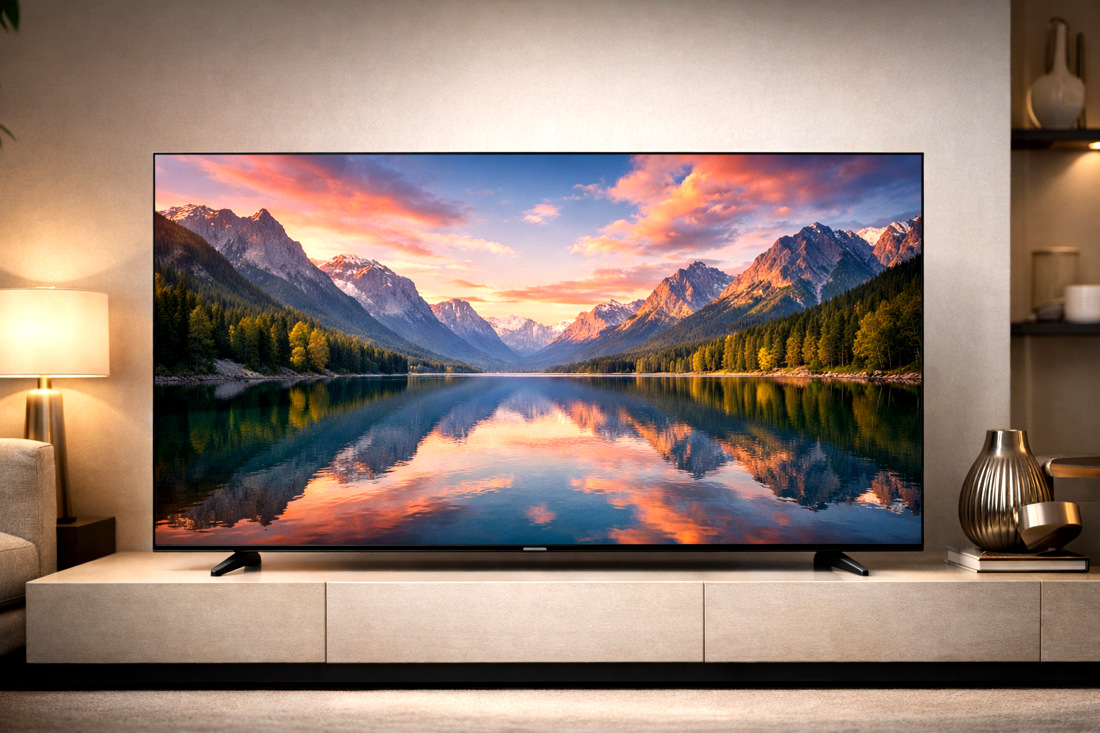
A Smart TV operates by connecting to the internet, enabling users to stream content from various platforms like Netflix and Hulu, making it easy to enjoy movies on a Smart TV.
One of the most significant features of a Smart TV is its streaming capabilities. With the rise of services like Netflix, Hulu, Amazon Prime Video, and Disney+, the way viewers watch content has evolved dramatically. A Smart TV connects to the internet, enabling flawless access to these platforms. Users can simply download the respective applications from the TV's app store, log in, and begin streaming their favorite shows and movies directly on their screens. This capability eliminates the need for additional devices like streaming sticks or set-top boxes, making entertainment more accessible and user-friendly.
Topic info
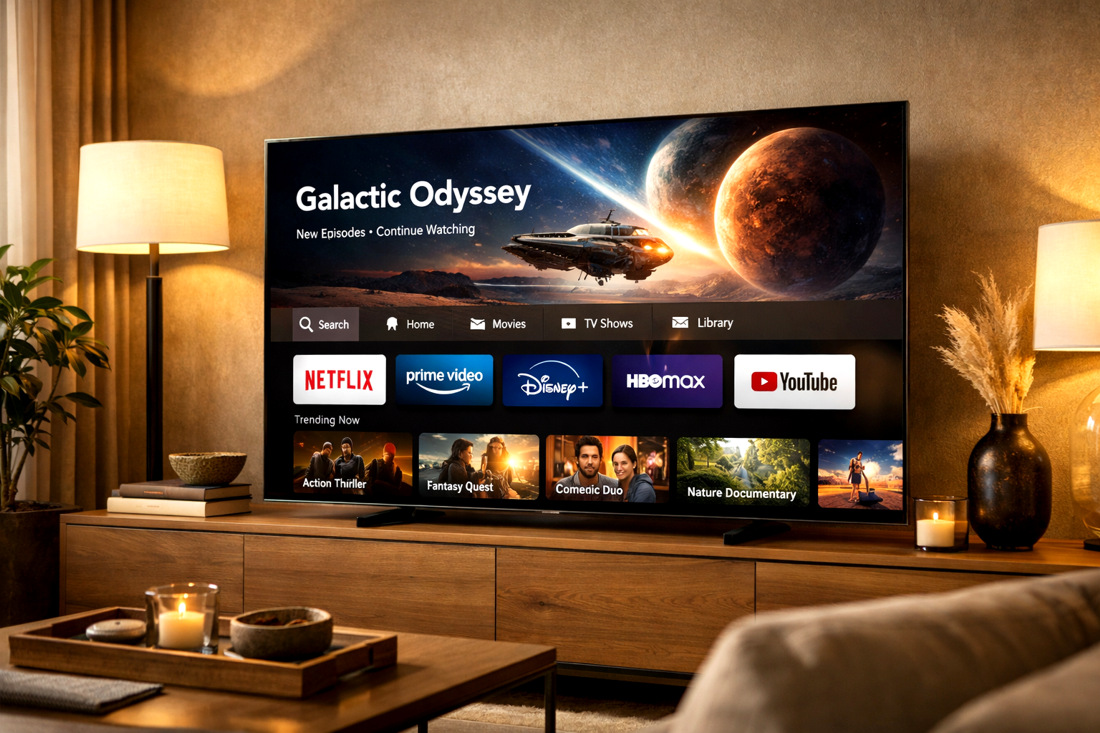
Moreover, Smart TVs come equipped with advanced features such as voice control and personalized content recommendations. Voice control allows users to change channels, search for content, and adjust settings without needing a remote. This functionality is made possible through built-in digital assistants that respond to voice commands. Personalized content recommendations, on the other hand, use algorithms to analyze viewing habits and suggest shows or movies that align with a viewer's interests. These features boost the overall user experience, making it easier and more engaging to find and enjoy content.
Another critical aspect of Smart TVs is their compatibility with other smart home devices. Many Smart TVs can integrate with devices such as smart speakers, lights, and security systems. This integration allows for a more cohesive smart home experience, where users can control multiple devices through a central platform. For instance, a user can dim the lights and turn on the TV with a single command, creating a cinema-like atmosphere for movie nights. This level of connectivity represents the broader trend of home automation, where technology works together to simplify and augment our daily lives.
In addition to streaming capabilities, Smart TVs offer various entertainment options beyond just video content. Many Smart TVs support gaming applications, enabling users to play games directly on their televisions without a game console. This is especially appealing to casual gamers who want to enjoy an occasional game without investing in additional hardware. Furthermore, Smart TVs can display photos and videos from personal devices, allowing for a more interactive viewing experience. Families can share memories in a larger format, making gatherings and celebrations more enjoyable.
It's also worth noting that Smart TVs are updated with new features and security patches. Manufacturers regularly release software updates that can improve performance, add new applications, and improve security. This means that users can expect their devices to evolve over time, delivering new capabilities and keeping their information secure. However, this reliance on updates also means that users need to remain aware of the need for proper internet connectivity to access these improvements.
| Feature | Description | Functionality | Usage Tips |
|---|---|---|---|
| Internet Connectivity | Smart TVs connect to the internet via Wi-Fi or Ethernet, allowing access to streaming services and online content. | This connectivity enables users to stream movies, shows, and videos directly on their television without needing additional devices. | Guarantee your Wi-Fi signal is strong and stable for the best streaming experience. Consider using a wired connection for reliability. |
| Streaming Apps | Smart TVs come pre-installed with a variety of streaming applications, such as video-on-demand services and live TV options. | These apps provide a vast library of content, allowing users to choose from countless movies and TV series designed specifically to their preferences. | Regularly update your apps for access to the latest features and content. Delve into new apps for diverse viewing options. |
| Voice Control | Many Smart TVs are equipped with voice recognition technology, enabling users to search for content and control settings with voice commands. | This feature improves convenience, allowing for hands-free navigation meanwhile searching for shows or adjusting settings. | Familiarize yourself with the specific voice commands supported by your Smart TV to maximize functionality. Practice commands for smoother interaction. |
| Screen Mirroring | Screen mirroring allows users to display content from their smartphones or tablets directly on the TV screen, strengthening viewing options. | This capability is especially useful for sharing photos, videos, or presentations during gatherings, creating an interactive experience. | Enable screen mirroring from your device's settings and make certain both devices are connected to the same network for continuous functionality. |
The gains from a Smart TV include access to a smart hub that consolidates all your apps and services, allowing for unified streaming and easy navigation on your Smart TV.
Another significant advantage of a Smart TV is its capacity for personalization. Many Smart TVs come equipped with smart hubs that allow users to customize their viewing experience based on their preferences and habits. For example, these smart hubs can learn what types of shows or movies a user typically watches and offer adapted recommendations. This feature not only makes it easier to discover new content but also augments viewer engagement by suggesting titles that align with individual tastes. Furthermore, the integration of voice control and virtual assistants provides an added layer of convenience, allowing users to navigate menus, search for content, and control playback using simple voice commands. This hands-free operation can be especially beneficial in households where multitasking is common, as it frees up time and effort although enjoying entertainment.
Connecting a Smart TV to other smart devices within the home creates a seamless ecosystem that raises the overall viewing experience. With the potential of smart hubs, a Smart TV can function as the central point for controlling various smart home devices, such as lights, thermostats, and security cameras. This integration allows users to manage their home environment from the comfort of their couch, amplifying both convenience and efficiency. For instance, a user can dim the lights and adjust the temperature during settling in for a movie night, all through the television interface. This interconnectedness not only enriches the viewing experience but also contributes to a more sophisticated and modern lifestyle.
Moreover, the improved connectivity options of a Smart TV cannot be overlooked. Traditional television sets often limit viewers in terms of connectivity, but Smart TVs typically support a wide range of options, including Wi-Fi, Bluetooth, and HDMI ports. This versatility allows users to connect their smartphones, tablets, or other devices easily, facilitating screen mirroring or casting popular content directly onto the larger screen. This type of connectivity can be particularly useful for sharing photos, videos, or presentations with family and friends, making Smart TVs an excellent choice for social gatherings. Additionally, many Smart TVs now offer gaming capabilities, allowing users to play console-quality games directly on their television without the need for additional hardware.
Beyond entertainment, Smart TVs can also serve as valuable educational tools. With access to a plethora of educational apps and websites, families can use their Smart TV as a platform for learning and development. Children can watch educational programs, whereas adults can access documentaries, tutorials, and online courses, further boosting the versatility of the device. This use of Smart TVs as educational resources can promote a culture of learning within the home, making it easier for families to engage with educational content. In this way, a Smart TV becomes more than just a source of entertainment; it transforms into a multifunctional tool that enriches everyday life.
Privacy and security concerns have gained prominence in discussions about Smart TVs. With internet connectivity comes the responsibility of safeguarding personal information. However, modern Smart TVs are designed with various security measures to protect user data. Manufacturers are increasingly implementing encryption protocols and regular software updates to mitigate potential vulnerabilities. Users can also take proactive steps, such as adjusting privacy settings or disconnecting from the internet when not in use, to confirm their information remains secure. By being informed about security practices, consumers can enjoy the perks of Smart TVs even though minimizing risks associated with their connectivity features.
In fields of application, a Smart TV amplifies home entertainment with features like Dolby Atmos, delivering immersive sound for movies and shows, raising the Smart TV experience.
Another notable field of application for Smart TVs is in the field of gaming. With advancements in graphic fidelity and processing power, many gamers now use Smart TVs to play their favorite titles. The large screen and immersive audio capabilities allow for a more engaging gaming experience. Furthermore, Smart TVs often support a range of gaming consoles and allow for seamless integration with online multiplayer gaming services. This connectivity means that players can easily connect their devices and enjoy gaming sessions with friends or family members, creating a more communal atmosphere. As the gaming industry continues to grow, the role of Smart TVs in improving gameplay and user engagement is becoming increasingly important.
Education has also seen significant benefits from the advent of Smart TVs. Many educational institutions are incorporating Smart TVs into their classrooms to facilitate interactive learning. These devices can display educational videos, interactive presentations, and even connect to various online resources. Teachers can use Smart TVs to create engaging lessons that capture students' attention and nurture collaboration. The visual and audio quality of Smart TVs boosts the learning experience, making complex subjects easier to understand. As technology continues to advance, the potential for Smart TVs in education will likely expand, further transforming traditional teaching methodologies.
Pertaining to home automation, Smart TVs are playing an integral role as central command centers. Many Smart TVs can integrate with smart home devices, allowing users to control lighting, temperature, and security systems directly from their television screens. This level of integration means that homeowners can streamline their daily routines and manage their environments more efficiently. For example, users can turn their lights off or adjust their thermostat without leaving the comfort of their couch, all through voice commands or remote controls. As smart home technology continues to evolve, the synergy between these systems and Smart TVs will provide even greater convenience and functionality.
The entertainment aspect of Smart TVs extends beyond just watching series and films; it also encompasses music and audio experiences. With support for high-quality audio technologies like Dolby Atmos, Smart TVs provide a cinematic sound experience that promotes the overall enjoyment of movies and shows. Dolby Atmos creates a three-dimensional sound space, allowing audio to move dynamically around the viewer, making it feel as if they are in the midst of the action. This immersive sound technology strengthens not only films but also video games and live events, making Smart TVs a preferred choice for audiophiles and home theater enthusiasts.
As Smart TVs continue to evolve, their applications are expanding into new territories, including virtual reality experiences and social interaction. Some Smart TVs are surveying virtual reality by integrating VR content and interactive experiences that allow users to engage in immersive environments right from their living rooms. This shift towards more immersive media experiences indicates a growing trend in the entertainment industry, where viewers desire more than passive consumption. Additionally, features like shared viewing experiences and social media integration allow friends to watch programs together, though they are miles apart, thereby enriching social bonds through shared entertainment.
A guide to Smart TV usage includes investigating features like 4K resolution for stunning picture quality, ensuring that your viewing experience on a Smart TV is truly remarkable and vibrant.
A Smart TV is equipped with the capability to connect to the internet, allowing users to stream content from various platforms like Netflix, Hulu, and YouTube. This connectivity is a game changer, as it opens up a world of on-demand content and interactive features that traditional television cannot offer. The convenience of being able to access your favorite shows and movies without needing extra devices has made Smart TVs incredibly popular among consumers. With the added ability to download apps, customize interfaces, and even control the TV using voice commands, a Smart TV truly embodies the future of home entertainment.
One of the key aspects of modern Smart TVs is their display quality, and this is where 4K resolution comes into play. 4K resolution, also known as Ultra High Definition (UHD), offers four times the pixel resolution of 1080p Full HD. This means that images are crisper, clearer, and more detailed, allowing viewers to enjoy a more immersive experience. The difference is particularly noticeable when watching content that has been explicitly produced or remastered in 4K. For movie enthusiasts and gamers, a Smart TV with 4K resolution can uplift the entire experience, making it more enjoyable and engaging.
When selecting a Smart TV, resolution is just one of the many factors to consider. Screen size is equally important, as it can affect not only the aesthetics of your living space but also the viewing experience. A larger screen allows you to enjoy the finer details of 4K content, but it's critical to assure that the size is proportionate to the room where the TV will be placed. Additionally, the viewing distance plays a significant role; a larger screen viewed from too far away may not deliver the impact of 4K resolution as intended. Therefore, finding the right balance between screen size and viewing distance is vital for maximizing your enjoyment.
Another element to contemplate is the Smart TV's operating system. Different brands offer varying interfaces, which can impact how user-friendly the Smart TV is. Some operating systems come pre-loaded with popular apps, meanwhile others allow you to download a wide range of applications. It's necessary to choose a Smart TV that aligns with your preferences, whether you prioritize gaming, streaming, or browsing the internet. Make sure to research the available features such as voice recognition, screen sharing, and parental controls to secure that the Smart TV meets your needs and improves your viewing experience.
Let's not forget about the importance of connectivity options. A Smart TV should offer multiple HDMI ports, USB ports, and the ability to connect via Wi-Fi or Ethernet. This flexibility allows you to connect various devices such as gaming consoles, soundbars, and Blu-ray players without the hassle of constantly switching cables. Furthermore, some Smart TVs support wireless casting from smartphones and tablets, allowing for smooth integration with your other devices. This convenience can greatly enrich how you use your Smart TV, especially when sharing content with family and friends during gatherings.
Finally, it's worth mentioning the future-proofing aspect of purchasing a Smart TV. With technology evolving at a rapid pace, investing in a 4K Smart TV with advanced features can help guarantee that your device remains relevant for years to come. Keep an eye out for features such as HDR (High Lively Range) support, which can further boost the color and contrast of the display, making the already impressive 4K resolution even more striking. Additionally, consider models that offer regular software updates to keep your Smart TV equipped with the latest applications and security features.
4K resolution, often referred to as Ultra High Definition (UHD), is reshaping the viewing experience on Smart TVs. This guide will help you understand the various aspects of 4K resolution, its benefits, and what to think about when purchasing a Smart TV. Below you will find a detailed enumeration of the key elements related to 4K resolution:
4K resolution is characterized by a display resolution of approximately 3840 x 2160 pixels, providing four times the detail of 1080p HD.
The higher pixel density of 4K TVs results in sharper images, allowing viewers to sit closer to the screen without noticing pixelation.
4K TVs often support a wider color gamut, which means they can display a greater range of colors, augmenting the overall visual experience.
Many 4K TVs come with HDR capabilities that improve contrast and brightness, resulting in more vivid and lifelike images.
An increasing amount of content is available in 4K resolution through streaming services like Netflix, Amazon Prime Video, and Disney+.
Smart TVs typically include upscaling technology that augments lower resolution content to near-4K quality for a better viewing experience.
Streaming 4K content usually requires a stable internet connection with speeds of at least 25 Mbps to avoid buffering.
For the optimal experience, viewers should sit at a distance that allows them to appreciate the augmented detail without straining their eyes.
4K TVs can be more expensive than their 1080p counterparts, so it's necessary to evaluate your budget and viewing habits before purchasing.
Investing in a 4K Smart TV can be a good decision as more content continues to be produced in 4K resolution, making it a future-proof option.