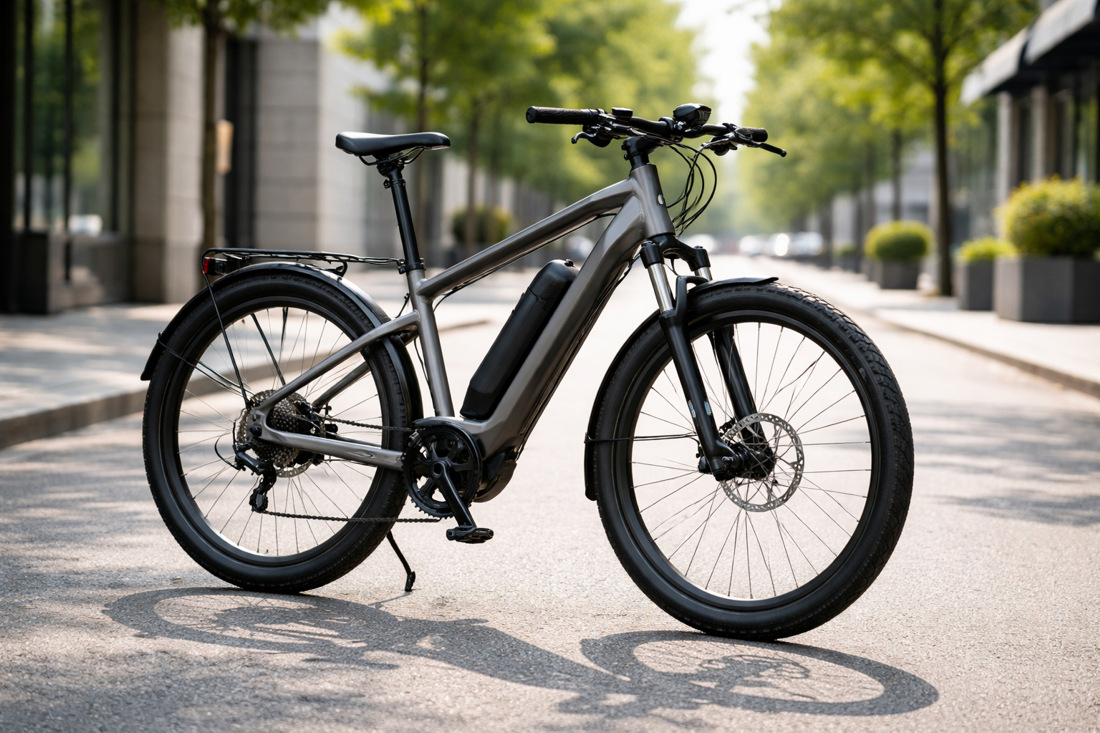
An electric bike boasts various functions, including pedal assist and throttle mode, powered by a motor that typically ranges from 250W to 750W, amplifying cycling experiences with electric bike technology.
Another fundamental function of electric bikes is their ability to boost fitness levels during offering a more enjoyable riding experience. Many users appreciate that they can choose how much assistance they want from the motor, allowing them to engage in physical activity at their own pace. This adaptability makes electric bikes suitable for a wide range of riders, from those looking to incorporate more exercise into their daily routines to individualists who may have physical limitations that make traditional biking challenging. The varying levels of motor influence available in electric bikes allow riders to customize their experience, whether they want a gentle boost on flat surfaces or vigorous support when tackling steep hills. This versatility is one of the key reasons why electric bikes appeal to such a broad audience.
Brief information
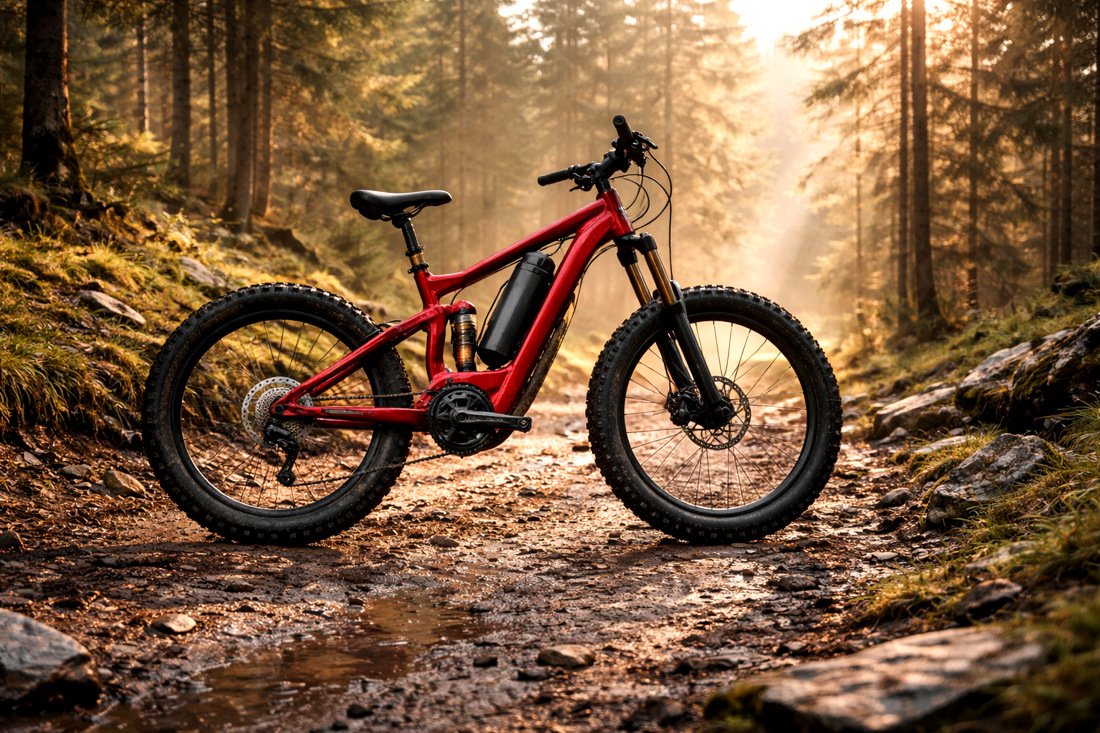
The motor might in an electric bike is typically measured in watts, with most models ranging from 250 to 750 watts. A higher wattage in most cases translates to greater force and performance, which can be particularly beneficial for commuters who need to navigate busy city streets or hilly terrains. Recognizing the specifications of motor command is necessary for potential buyers, as it affects acceleration, top speed, and the bike's ability to sustain longer rides. For instance, electric bikes with motors around the 500-watt mark are well-suited for urban commuting, providing enough energy to quickly navigate through traffic even though maintaining a comfortable riding speed. On the other hand, those who venture into more rugged terrains may prefer bikes with higher wattage, ensuring they can tackle steep inclines without excessive strain.
In addition to motor power, electric bikes are equipped with various features that enrich their functionality. Many models come with integrated battery systems, often positioned in the frame for optimal weight distribution. The battery capacity, measured in amp-hours, plays a essential role in determining the overall range of the electric bike. Riders must consider their intended use when selecting a bike, as a longer battery life is critical to those planning extended rides or commutes. Moreover, advancements in technology have led to the development of smart systems that allow riders to monitor battery life and motor performance, providing real-time data to help manage energy consumption effectively.
The tasks performed by electric bikes extend beyond mere transportation; they also contribute to user safety and comfort. Many modern electric bikes feature advanced braking systems, integrated lighting, and improved suspension, making them safer and more enjoyable to ride. Furthermore, these bikes come equipped with a variety of gears, allowing riders to switch between electric assistance and manual pedaling flawlessly. The combination of motor strength with these safety features ensures that users can navigate different environments confidently. With the increasing availability of high-quality electric bikes, riders can select models that suit their specific needs, whether seeking speed, comfort, or durability.
Another important aspect of electric bikes is their environmental impact. With more enthusiasts recognizing the urgency of climate change, electric bikes present a compelling alternative to fossil fuel-powered vehicles. By choosing an electric bike, riders contribute to reducing carbon emissions, promoting cleaner air quality, and encouraging a healthier lifestyle. As cities become more congested, electric bikes offer a practical solution to urban mobility issues, providing a way to bypass traffic jams and reduce parking demands. By incorporating more electric bikes into our daily lives, we can move towards more sustainable transportation systems that prioritize environmental stewardship.
Electric bike motors are indispensable components that meaningfully increase the cycling experience by providing a range of functions. Here's a complete list of the key functions that electric bike motor potency serves:
Services related to electric bikes include maintenance and customization, meanwhile the types of motors range from hub motors to mid-drive motors, each improving the electric bike's performance.
Firstly, electric bike maintenance is a critical service that should not be overlooked by owners. Regular maintenance ensures the longevity and efficiency of the electric bike. Bicycle shops have begun to adapt their services to include electric bike-specific check-ups, which may involve assessing the battery health, inspecting the electrical components, and ensuring that the motor functions optimally. Owners should be aware that electric bike motors come in various types, each with distinct characteristics affecting how they operate. This knowledge can aid in perception what services may be most beneficial, as different motors may require specific maintenance techniques.
Another service growing in popularity is the customization of electric bikes. Many riders wish to tailor their electric bike to fit their personal style or specific riding needs. Customization services can include anything from boosting the bike's aesthetic appeal with unique colors and designs to upgrading the motor for improved performance. Electric bike motors vary in type—hub motors and mid-drive motors are the most common options, each serving different purposes based on riding preferences. A knowledgeable bike shop can assist riders in selecting the right motor type for their customization project, ensuring that their electric bike not only looks pleasant but performs well according to their expectations.
Renting services for electric bikes have emerged as a practical solution for those who may not want to invest in purchasing one outright. Cities across the United States are increasingly offering rental programs, allowing users to experience the rewards of electric biking without the commitment of ownership. These rental services provide a range of electric bike models equipped with various types of motors, allowing riders to test different configurations. This experience can be invaluable for potential buyers looking to understand which motor type suits their needs best, making rentals an excellent introduction to the universe of electric biking.
In addition to maintenance and rental services, many businesses now offer educational workshops related to electric bikes. These workshops cover a variety of topics, including how to properly care for an electric bike, insight the differences between motor types, and tips for safe riding. Educating consumers about electric bike systems is essential, as it empowers them to make informed decisions about their purchase and maintenance. Knowledge about the various motor types—such as the strengths of mid-drive motors for hill climbing compared to hub motors augmented for flat terrain—can significantly impact how riders utilize their electric bikes.
Moreover, the integration of repair services targeted especially at electric bikes has become increasingly essential. As these bikes incorporate more advanced technology, repairs may require specialized knowledge and tools. Repair shops that focus on electric bike services provide troubleshooting for electrical components, battery diagnostics, and motor repairs or replacements. Acknowledging how to address issues related to different motor types is essential for a successful repair, as each motor type may present unique challenges. Consequently, owners should seek out repair services that are well-versed in handling the subtle aspects of electric bike technology.
As the electric bike industry continues to expand, so do the services available to support the community. With an increasing number of biking enthusiasts researching this eco-friendly alternative, businesses have recognized the potential for growth in this segment. This includes not only the services mentioned but also insurance options in detail designed for electric bikes, safety gear personalized to their unique requirements, and even guided tours that showcase the best routes for electric biking. The market is diversifying, creating a radiant ecosystem that benefits riders during encouraging more idealists to think about electric bikes as a viable form of transportation.
The electric bike is versatile, suitable for commuting, recreation, and delivery services, with maximum motor torque often reaching up to 80Nm, making it ideal for urban and off-road terrains.
Electric bikes have significantly changed the way we perceive transportation, offering a blend of mobility, efficiency, and eco-friendliness. The growing popularity of electric bikes has inspired many to probe their various fields of application. These applications range from daily commuting to recreational riding, and they address the unique needs of diverse user groups. One of the most common uses of electric bikes is for urban commuting. In congested cities, where traffic jams and limited parking spaces are prevalent, an electric bike provides an efficient alternative. Riders can bypass traffic and avoid the stress of finding parking, making their daily commutes not only quicker but also more enjoyable. Furthermore, the convenience of being able to recharge at home or work adds to the practicality of the electric bike as a commuting solution. Another field of application for electric bikes is in recreational activities. Many outdoor enthusiasts appreciate the versatility that electric bikes offer. They can examine varied terrains such as hills, mountains, and trails without the fatigue that a traditional bike might impose. This opens up the possibility of longer rides and more adventurous outings, allowing riders to cover greater distances in a shorter amount of time. Whether it's a leisurely ride through a park or an exhilarating journey through rugged landscapes, the electric bike boosts the overall experience. Additionally, electric bikes have proven to be a valuable asset for delivery services. With the rise of e-commerce, many businesses are turning to electric bikes to deliver goods and packages quickly and efficiently. This method not only reduces delivery times but also minimizes the environmental impact associated with traditional delivery vehicles. Electric bikes can navigate through crowded streets and alleys, allowing for swift and convenient deliveries. This application has been particularly beneficial for small businesses and startups looking to optimize their logistics even though maintaining a sustainable approach. The versatility of the electric bike also extends to the tourism industry. Many cities are now offering electric bike rentals as a way to promote sightseeing in an eco-friendly manner. Tourists can cover more ground and enjoy local attractions without getting too tired, making it an appealing option for those who want to delve into urban landscapes or scenic routes. This trend is not only beneficial for visitors but also promotes local businesses and attractions, contributing positively to the economy. In terms of performance, grasp the maximum motor torque of an electric bike is vital for users looking to maximize their riding experience. Torque is the rotational force generated by the motor, and it plays a crucial role in how well the bike performs, especially when starting from a stop or climbing hills. A higher torque level means better acceleration and power, allowing riders to tackle steep inclines with ease. Commuters and recreational riders alike can benefit from knowing their electric bike's torque specifications, as it can influence their choice of bike based on their specific riding needs and typical routes. Furthermore, the integration of advanced technology in electric bikes has led to improvements in motor design, which results in higher torque ratings although maintaining energy efficiency. As the electric bike market continues to grow, manufacturers are focusing on strengthening the riding experience by developing motors that deliver optimal torque without compromising battery life. This innovation not only makes electric bikes more appealing for long-distance commuting and off-road adventures but also ensures that users can enjoy the ride without the worry of running out of force mid-journey. In conclusion, the electric bike has proven to be a multi-faceted mode of transportation, catering to various needs and preferences. From daily commuting to recreational riding, delivery services, and tourism, the fields of application for electric bikes are vast and varied. Assimilating the technical aspects, such as maximum motor torque, is indispensable to users looking to make informed decisions designed specifically to their riding habits. As electric bikes continue to evolve, they are likely to play an even more significant role in transforming transportation systems, promoting sustainability, and augmenting the overall lifestyle of users.
| Field of Application | Description | Impact on Performance | Typical Uses | Considerations |
|---|---|---|---|---|
| Urban Commuting | Electric bikes provide efficient transportation in cities, utilizing maximum motor torque for swift acceleration and guiding through traffic. The motor torque allows for easier starts and stops, making commuting more convenient. | Higher motor torque means better performance in stop-and-go scenarios typical in urban environments, reducing travel time and energy expenditure. | Commonly used by commuters traveling short distances to work or school, primarily on paved roads. | Riders should consider weight, battery life, and torque output when selecting an electric bike for urban use to confirm it meets their commuting needs. |
| Off-Road Adventures | Maximum motor torque is critical for electric bikes used in off-road conditions, allowing riders to tackle steep inclines and rough terrains with ease. It helps in maneuvering challenging landscapes, amplifying the overall riding experience. | In off-road settings, high torque provides the necessary command to climb hills and maneuver over obstacles, significantly impacting the bike's capability. | Popular among mountain bikers and outdoor enthusiasts who venture into trails, mountains, and rugged terrains. | Bike durability and appropriate tire choice are important when using electric bikes for rugged terrains to help manage torque effectively. |
| Delivery Services | Electric bikes with high motor torque are increasingly being used in delivery services to handle heavy loads efficiently. The torque allows for quick starts and secure handling, which is ideal for transporting goods in urban settings. | In delivery applications, adequate torque can reduce delivery time and improve overall efficiency, making it a preferred option for businesses. | Used by food delivery and package courier services looking for a sustainable and efficient transportation method. | Delivery personnel should be aware of the bike's load capacity and motor specifications to secure optimal performance during tasks. |
| Recreational Riding | Electric bikes are popular in recreational activities, providing riders with the ability to enjoy long rides without excessive physical exertion. The maximum motor torque allows for thrilling rides, especially on hilly trails. | With improved torque, riders can enjoy a more exhilarating experience, making hills feel less intimidating and allowing for longer excursions. | Ideal for leisurely weekend rides, group outings, or fitness activities that require varying levels of effort. | Riders should choose bikes that fit their fitness goals and riding style, considering how torque can affect their overall enjoyment. |
| Adaptive Cycling | Electric bikes are increasingly being adapted for individuals with mobility challenges. Maximum motor torque can provide the necessary support for riders who may struggle with pedaling, enabling greater independence and freedom. | By ensuring sufficient torque, adaptive bikes can augment accessibility and inclusivity in cycling, allowing more individualists to participate in the activity. | Often utilized in community programs, rehabilitation settings, or by people seeking to maintain an active lifestyle. | Customization may be needed for individual rider requirements, focusing on comfort and ease of use whereas maximizing motor performance. |